On complex industrial projects, the biggest risks usually are not the engineering tasks themselves. They are the gaps between them.
When design, fabrication, mechanical installation, electrical services, commissioning and handover are split across multiple suppliers, responsibility can blur, and issues can appear late. That is when programmes slip, rework increases, and disruption becomes harder to control.
That is exactly why an integrated delivery partner can reduce risk. At ENCO, we coordinate the full delivery route, bringing together in-house design, fabrication, mechanical and electrical installation, and project management, so your project has one accountable team, from early survey through to installation and commissioning.
As a family-run team based in Elland, West Yorkshire, we support industrial sites across the UK with practical, safety-led delivery.
How Turnkey Delivery Reduces Risk
Turnkey delivery reduces risk by removing handover gaps between disciplines.
With one team coordinating the route from survey and engineering through prefabrication, installation and commissioning, you typically get:
- Fewer interface clashes (mechanical vs electrical, access, containment, maintenance space)
- Earlier buildability checks (before fabrication hits the workshop)
- Stronger control of programme, change, and quality
- Reduced disruption on operational sites through prefabrication and smarter sequencing
- Clearer ownership for procurement, operations and engineering teams
What This Means for Your Project
A trusted UK turnkey partner should reduce project risk by keeping delivery joined up under one accountable team.
That helps minimise handover gaps, improve communication, support safer planning and keep industrial projects moving with fewer late-stage surprises.
For procurement teams, operations managers, maintenance teams and engineering leads, that means fewer interfaces to manage, clearer control of programme and quality, and less disruption on site.
The Problem in Plain English
Complex industrial projects become risky when responsibility is split across too many suppliers.
A designer creates the concept. A fabrication supplier manufactures pipework, frames, skids or equipment. A mechanical contractor installs it. An electrical contractor arrives later to connect, test and commission.
Each handover creates opportunities for delay, rework, mismatched assumptions and late-stage clashes.
For procurement teams, that means more supplier management and more commercial uncertainty. For operations teams, it means more disruption. For engineering leads, it often means time spent resolving issues that should have been identified earlier.
When we deliver through a single coordinated route, we reduce those gaps by keeping key stages connected and by spotting practical issues earlier, before they hit your site programme.
Turnkey vs Multiple Contractors: Where Risk Typically Shows Up
Here are the practical differences clients often feel on complex projects:
- Accountability: multiple handovers vs one accountable delivery route
- Programme: package delays vs sequenced planning across disciplines
- Buildability: issues found late on site vs buildability checked earlier
- Interfaces: clashes late (containment, controls, access) vs interfaces coordinated early
- Change control: changes lost between the supplier’s vs joined-up control and documentation
- Live-site disruption: more time on site vs more prefabrication and tighter shutdown planning
- Handover packs: information spread out vs a clearer, consolidated handover approach
Why One Delivery Partner Reduces Uncertainty
When you appoint one delivery partner, you get a clearer route for communication, change control and accountability.
We will not pretend that it removes every challenge. Site conditions, access, shutdown windows and scope changes still need careful management. But it does make those challenges far easier to coordinate because you are not trying to align multiple suppliers who each only see part of the picture.
In our experience, many of the biggest issues on industrial installations happen between work packages, not inside them. Joined-up delivery reduces that interface risk.
How We Support Turnkey Projects at ENCO
A strong turnkey partner is not simply a supplier that offers several services. It is a team that can coordinate the sequence properly.
A typical project with us may include:
- Site survey or walkdown to understand access, safety and installation constraints
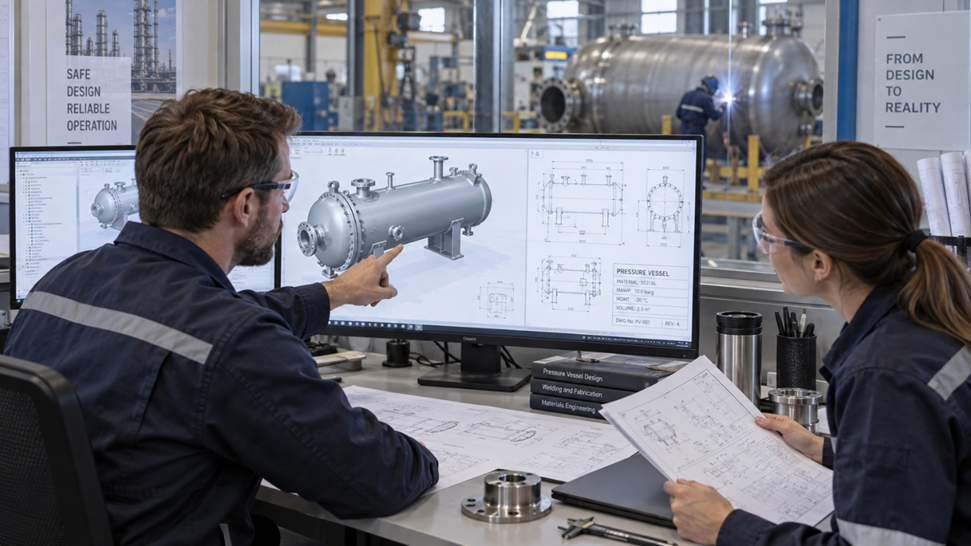
- Design support using 2D and 3D modelling where required
- Fabrication planning to improve buildability
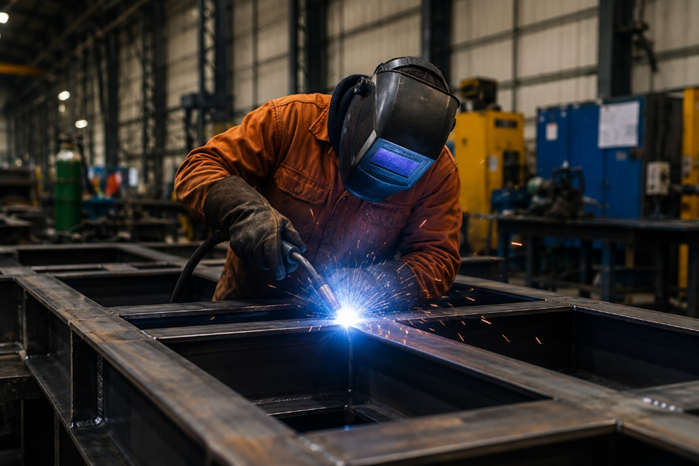
- Workshop fabrication of pipework, skids, supports or bespoke components
- Mechanical installation on site
- Electrical installation and controls support where required
- Testing and commissioning support
- Clear handover documentation for maintenance and operations teams
Because we provide design, fabrication, mechanical installation, electrical services and project support, we keep delivery joined up and practical.
We also prefer to get eyes on site early, so we can plan around access, serviceability and downtime before the programme gets tight.
Proof in Practice: How Joined-Up Delivery Prevents Late Surprises
Turnkey only reduces risk if the delivery is genuinely joined up.
That is why we focus on early coordination that prevents the classic “arrive on site and discover” problems, like access constraints, lifting requirements, containment clashes, valve clearance issues, maintenance access conflicts, or electrical and control interfaces being designed in isolation.
On operational sites, this approach typically means:
- confirming access routes and lifting plans early
- aligning mechanical routes with containment, controls and maintenance access
- using prefabrication where possible to reduce time in live environments
- documenting changes as they happen so as-builts do not become a post-handover chase
It is practical control, not paperwork for the sake of it.
In-House Design and Fabrication Improves Buildability
A design that works on paper still needs to work on site.
Access, lifting points, maintenance requirements, serviceability, installation sequence and shutdown windows should all be considered before fabrication or installation begins, especially on live industrial sites.
That is where our in-house design and fabrication make a practical difference. We use 2D and 3D modelling, scanning and fabrication support to turn ideas, drawings and site information into engineering outputs that can be fabricated and installed efficiently.
When design and fabrication are closely connected, buildability issues are easier to spot early. This helps reduce late changes, wasted materials and avoidable disruption during installation.
Single Source Fabrication Supports Quality and Control
Single source fabrication is valuable when a project involves bespoke pipework, headers, skids, tanks, small vessels, access steelwork, support frames or other fabricated components.
When fabrication is linked to the same team coordinating installation, there is less separation between what is drawn, what is manufactured and what is installed. That improves communication and reduces late-stage adjustments.
We operate fabrication facilities in Elland, West Yorkshire, supporting industrial installations with bespoke fabrication and build-to-print work. Where installation windows are tight, off-site fabrication can also reduce time spent working in live environments.

Mechanical and Electrical Coordination Matters
Complex industrial projects rarely involve mechanical work in isolation.
Pipework, plant, power, controls, lighting, containment, access and commissioning often overlap. If mechanical and electrical work is not coordinated early, issues tend to appear late, when time is tighter, and changes are more expensive.
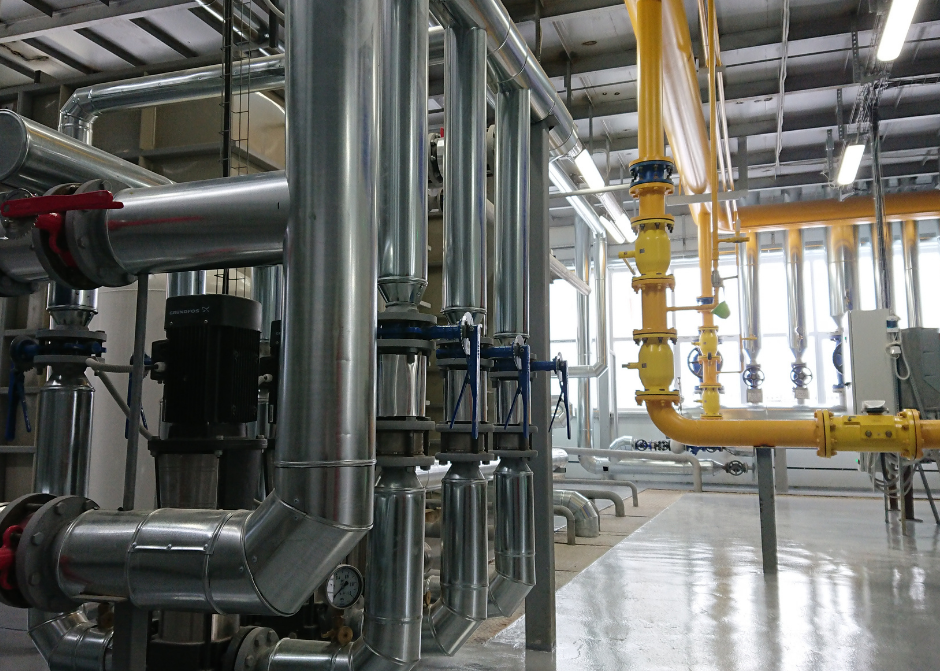
Because we deliver integrated mechanical and electrical services, we can plan around interfaces from the start. That might mean coordinating pipe routes with containment, allowing space for access and maintenance, aligning control panel locations, or avoiding clashes that otherwise only show up when teams arrive on site.
What Buyers Should Look for in a Turnkey Engineering Partner
Before appointing a turnkey engineering partner, buyers should look beyond headline capability.
Useful questions include:
- Can the supplier support the full route from design support through to commissioning?
- Can they coordinate mechanical and electrical interfaces?
- Do they have in-house fabrication capability?
- Can they support design-for-install, not just design-for-approval?
- How will communication and change control be managed?
- What documentation will be provided at handover?
- Can they plan around downtime and site disruption?
For procurement, operations and engineering teams, the question is simple: will this partner reduce complexity or add to it?
When Turnkey Engineering Solutions Make Most Sense
Turnkey solutions are especially useful when a project involves several connected disciplines.
They are often a strong fit for:
- Mechanical and electrical installation projects
- Pipework and plantroom upgrades
- Fabricated skids, supports or steelwork
- Process and industrial installations
- Live-site modifications
- Projects with limited shutdown windows
- Work requiring design, fabrication and installation coordination
- Design Consultants
They are also valuable when you want one accountable route for communication, rather than managing several separate contractors.
Speak to us at ENCO About Your Next Project
Need a delivery partner who can take ownership of complex mechanical and electrical work, without the handover headaches?
If you are planning an upgrade, installation, or live-site modification, we are happy to have an initial chat, look at the scope, and advise on the safest and most practical delivery route.
Please contact us to request a quote, book a site survey or speak to an engineer.

FAQs
What are turnkey engineering solutions?
Turnkey engineering solutions bring connected project stages together under one coordinated delivery partner. This can include design support, fabrication, mechanical installation, electrical services, commissioning and handover.
What is a turnkey engineering partner?
A turnkey engineering partner coordinates several stages of an industrial project rather than delivering one isolated service. This helps reduce handovers and gives the client a clearer route for communication and accountability.
How does turnkey engineering reduce project risk?
It reduces risk by improving coordination across the delivery route, helping avoid scope gaps, clashes, delays and unclear responsibility.
What is the difference between turnkey engineering and using multiple contractors?
Multiple contractors can work, but it creates more interfaces for the client to manage. Turnkey delivery gives the project one coordinated route, which can make planning, communication and change control easier.
Why is in-house design useful on industrial projects?
In-house design helps identify practical installation issues earlier, including access, maintenance space, lifting points, fabrication requirements and installation sequencing.
What does single-source fabrication mean?
Single-source fabrication means one supplier manages fabrication requirements for the project. This can improve consistency, communication and quality control, especially when fabrication is linked to installation.
Can turnkey delivery reduce downtime during installation?
It can help reduce downtime by improving planning, prefabrication and sequencing, especially on operational sites with limited shutdown windows.
Is turnkey delivery suitable for live industrial sites?
Yes. Turnkey delivery can be suitable for operational sites where careful planning, safety coordination, access control and clear communication are required.
What should procurement teams ask before choosing a turnkey partner?
Procurement teams should ask about scope ownership, in-house capability, project communication, safety planning, documentation, previous relevant experience and how change control will be managed.